Instructions
- Instructions need to be informative and words should be used.
- Classic visual instruction is useless and could be insensitive.

Cognitive load theory is how we think and remember relate research on how to show instructions. This research has indicated how we use working memory. This is how we manipulate information stored in our short term memory and is one of our key functions. This however is limited.
Implying the principle of proximity is one of the principles of perception and is the best approach. Elements that are close together are perceived by the viewer by being closely related. This has been validated to be more effective and usable.
Photo/video
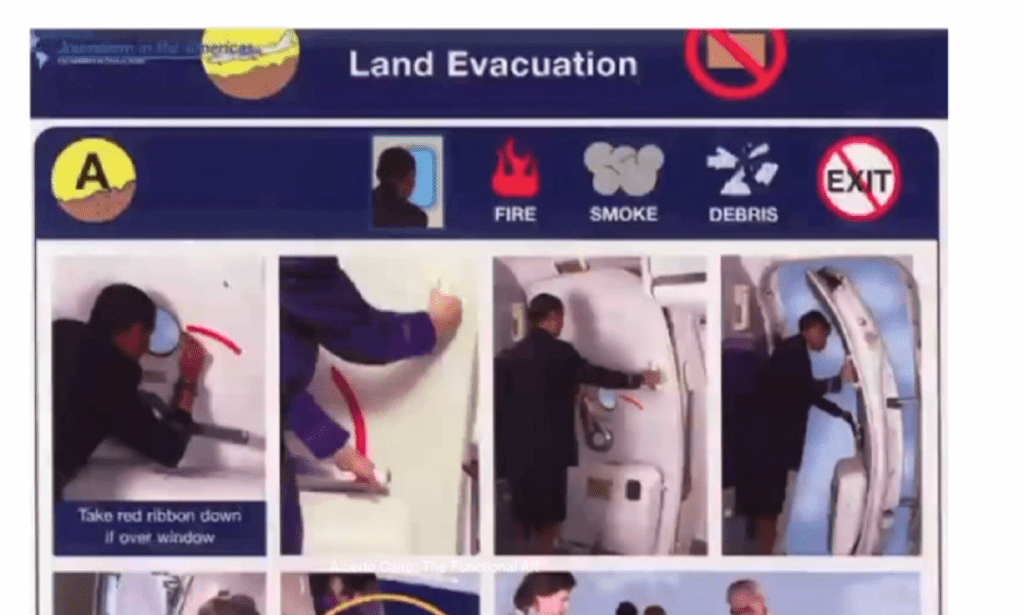
Using photos means there’s to much information and detail to be useful. We don’t know what the salience points are due to equal weight.
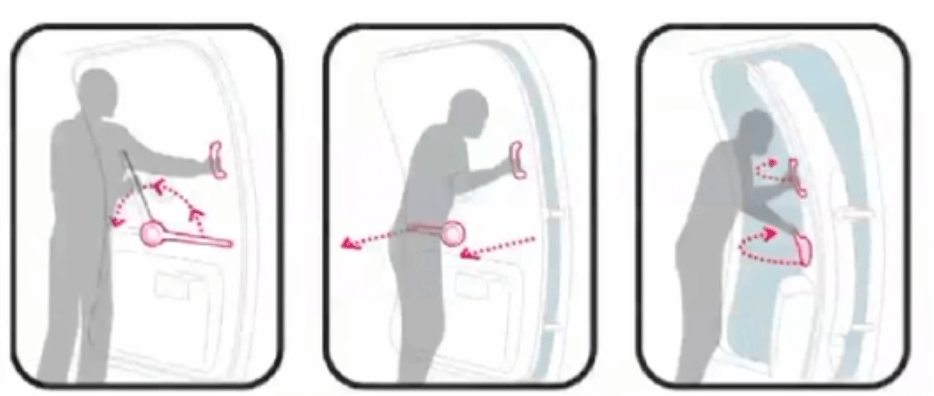
The use of simple graphics to isolate the important details and show the salient parts of the image to clearly show actions and movements is more beneficial. This aids the understanding of the reader of what’s being conveyed.
Kinds of interaction
- Instruction: By clicking buttons
- Conversation: Back and forth dialog
- Manipulation: Drag and drop elements
- Exploration: Open, playful, game like
Challenges with interaction design
- Limited screen area
- Limited resolution
- Users preferences : Sense of control.
Opportunities
- Time
- Layering
 Cassidy's Digital Interactive Design Blog