Design process
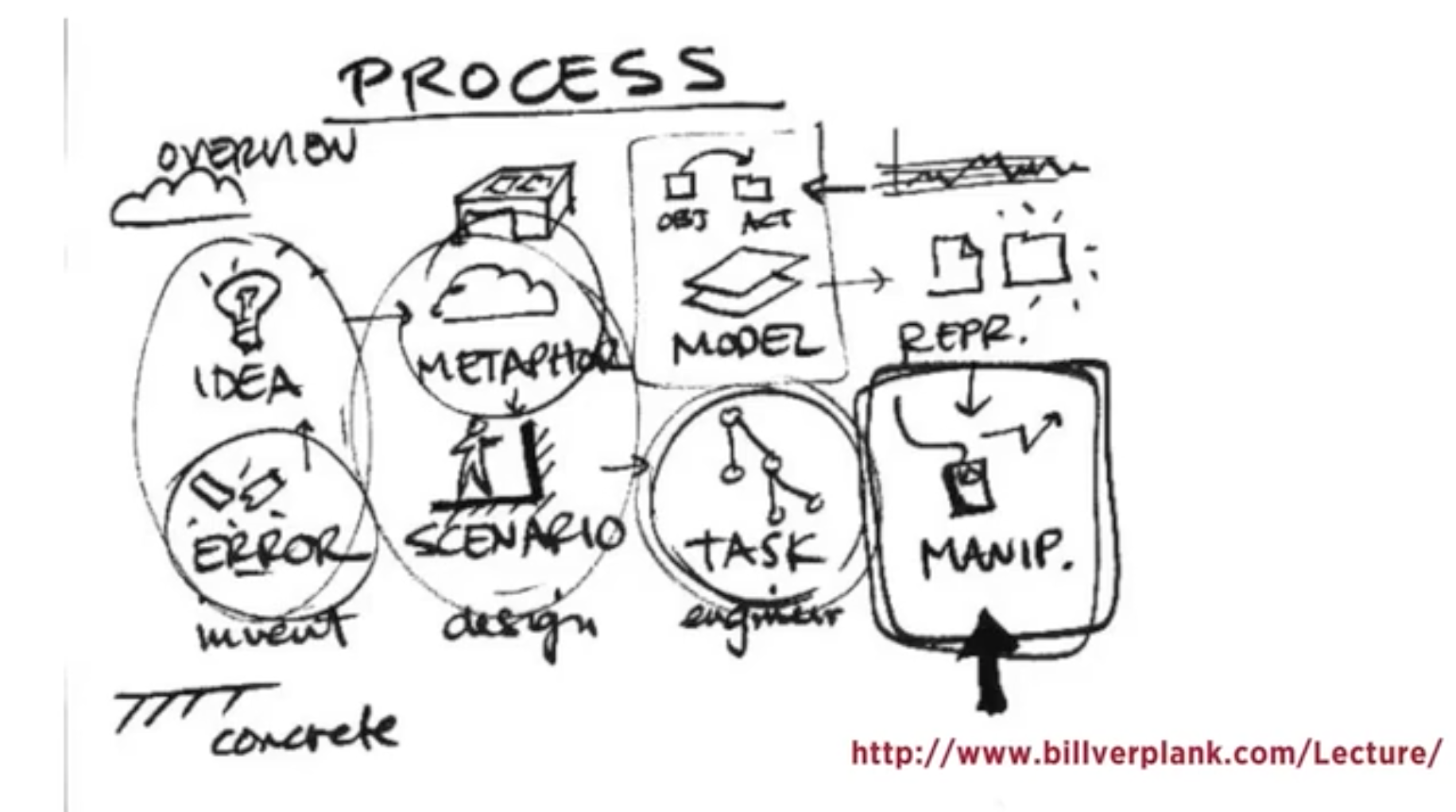
Bill Verplank identifies 8 distinct phases that can be seen in the design process.
Ideas start with pen and paper. We begin to visualise different outcomes and ways in which these can be achieved. Creating flowcharts or storyboards are ways in which a design concept can be created.
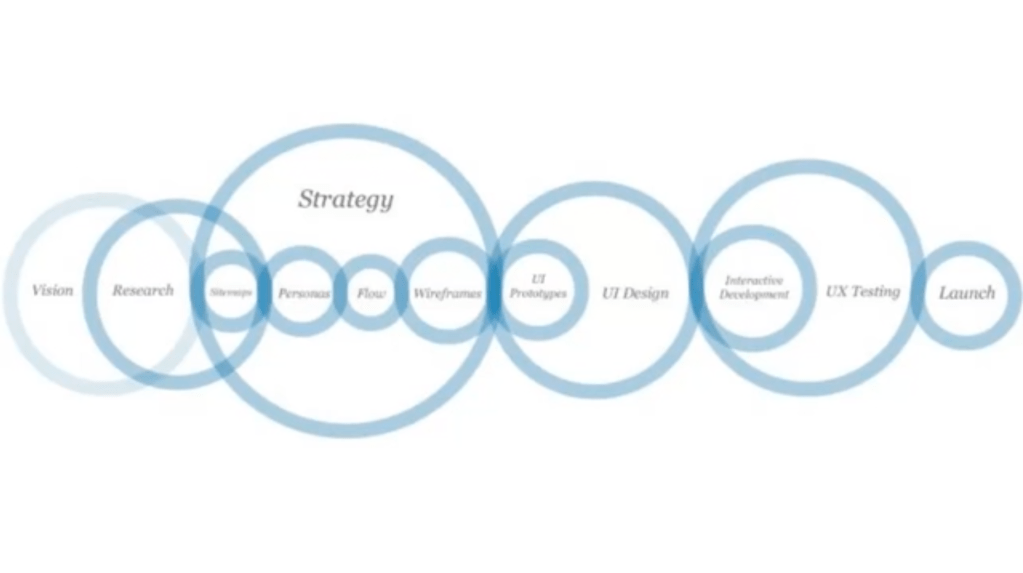
Prototypes are the next stage when it comes to the design process. This allows designers to see their designs in use and enables them to see it context as well. Designers then can use personas to help them better understand the functional aspects of their work and if individuals are able to use the product their offering.
Interactive project ways of testing out your designs:
- Precent research
- Observe people and ask questions
- Test prototypes
Context
Context for use
Context of use
When understanding interaction design, we need to understand:
- What people are trying to do
- How they may try to do it
- What gets in the way or helps
- Where they might be doing it
There are many questions to ask to help us create context scenarios:
- What is the situation?
- What’s the setting or environment in which the interface or the device will be used?
- Is it public or private?
- Is it conducive?
- Does the experience need to be extremely simple?
- How much complexity can be accepted?
- What are the persons needs and goals?
What are they trying to accomplish or complete?
 Cassidy's Digital Interactive Design Blog