Introduction to Interactive design
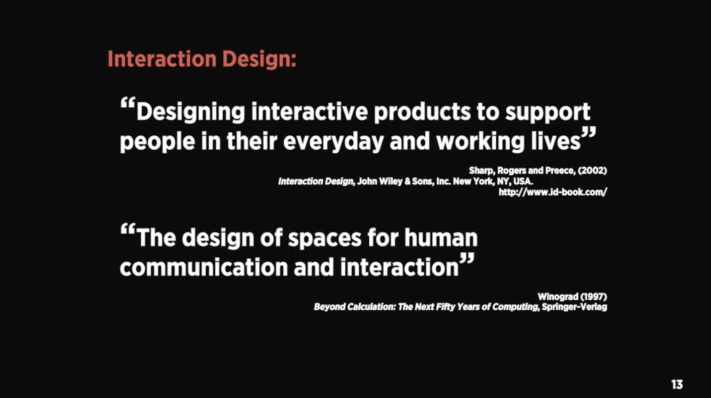
Interaction Design is the design of interactive products and services in which a designer’s focus goes beyond the item in development to include the way users will interact with it.
Bill Verplank states there are three key how questions when it comes to interaction design.
- Do
- Feel
- Know
Many design practises utilise and contribute to interaction design each framing the task differently.

Cognitive: How humans process information and how they process the world around them, “Their internal thoughts.”
Interactivity
-Of or relating to a program that responds to user activity.
-Working together so the total effect is greater than the sun.
-Capable of acting on or influencing each other.
A few common interactions you might have day to day may be, phones, books, conversation, vending machine, ect..
Different interactions will be more engaging then others or more reactive. Examples:
- A good book is more engaging then a coke machine.
- A good conversation Is more reactive then online shopping.
Interactivity can include the amount of control the audience has over the tools, paste or content, the amount of choice this control offers and the ability to use the tools or content to be productive or create. Therefore, all products and experiences can be placed along this continuum.
Gillian Crampton Smith: Interaction Design
” Shaping our everyday life through digital aftereffects for work, for play and for entertainment.”
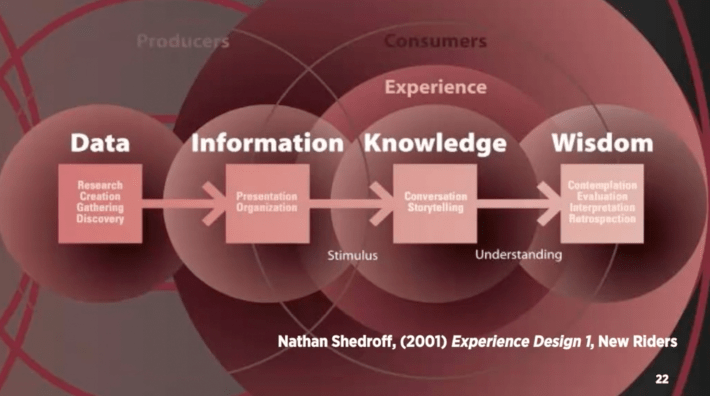
The five key areas to Interaction design:
- Interactivity
- Information architecture
- Time and motion
- Narrative
- Interface
 Cassidy's Digital Interactive Design Blog